Top 5 ERP Softwares for Indian Construction Firms in 2026
India’s construction industry is growing rapidly with increasing infrastructure projects, residential developments, highways, hospitals, industrial plants, and smart city initiatives. However, managing multiple construction sites, labour teams, procurement, billing, equipment, and project timelines manually has become extremely difficult.
This is where ERP software becomes essential.
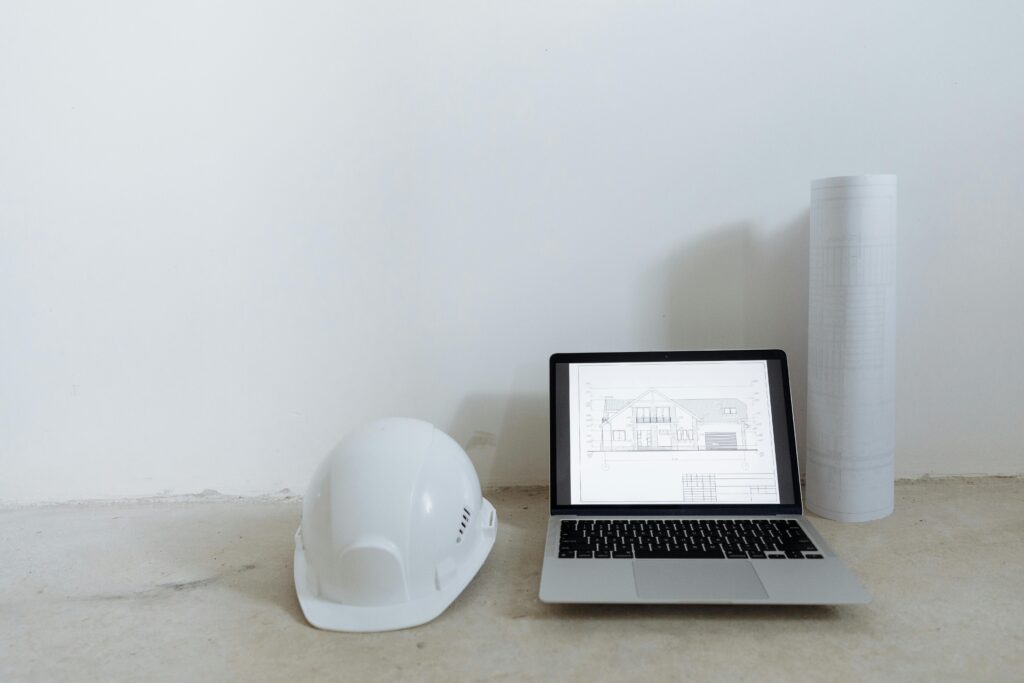
ERP (Enterprise Resource Planning) software helps construction companies automate and manage their complete business operations from a single platform. From project planning and BOQ management to billing, payroll, inventory, and GST compliance, ERP software simplifies everything.
Today, even medium-sized contractors are adopting ERP systems to reduce project delays, improve billing accuracy, and control material wastage.
In this article, we will discuss the top 5 ERP softwares for Indian construction firms in 2026, along with their features, advantages, limitations, and suitability for different types of contractors and builders.
What is Construction ERP Software?
Construction ERP software is a centralized digital system designed specifically for contractors, builders, EPC companies, and infrastructure firms.
It integrates multiple business functions such as:
- Project Management
- Procurement
- Inventory
- Accounting
- Billing
- HR & Payroll
- Equipment Management
- GST & Taxation
- Tender Management
- Cost Control
Instead of maintaining separate Excel files and manual records, ERP software provides real-time project visibility.
Why Indian Construction Companies Need ERP Software
Construction companies in India face several operational challenges:
- Material theft and wastage
- Delayed billing
- Labour attendance issues
- Poor inventory tracking
- Budget overruns
- Payment delays
- Multi-site management difficulties
Modern ERP systems help solve these problems through automation and centralized reporting. According to recent industry reports, Indian construction firms are increasingly shifting toward cloud-based ERP platforms for better project visibility and operational control. (ConstructionPlacements)
Key Features to Look for in Construction ERP Software
Before selecting ERP software, construction firms should evaluate these important features:
Project Management
Track project progress, milestones, and timelines.
BOQ & Estimation
Prepare estimates and compare budget versus actual costs.
Inventory Management
Monitor cement, steel, sand, and material consumption.
Billing & Accounting
Generate RA bills, GST invoices, and contractor payments.
Labour Management
Track attendance, payroll, and subcontractor payments.
Mobile Accessibility
Site engineers should be able to update data directly from the construction site.
Compliance Management
Support for GST, TDS, EPF, ESIC, and Indian taxation systems.
Top 5 ERP Softwares for Indian Construction Firms
1. ERPNext – Best Affordable ERP for Small & Medium Contractors
ERPNext is one of the most popular ERP solutions among Indian SMEs and mid-sized contractors. It is open-source, flexible, and cost-effective compared to enterprise ERP platforms.
Industry reports highlight ERPNext as one of the most practical ERP solutions for small and medium construction businesses due to its customization flexibility and lower licensing costs. (concorderp.com)
Key Features
- Project tracking
- Accounting & GST billing
- Purchase management
- Inventory tracking
- HR & payroll
- Asset management
- Custom workflow automation
Advantages
- Affordable implementation
- Open-source flexibility
- Cloud and self-hosted options
- Suitable for Indian GST requirements
Limitations
- Requires customization for advanced construction workflows
- Technical support depends on implementation partner
Best Suitable For
- Small contractors
- Mid-sized builders
- Construction startups
- Local infrastructure firms
2. SAP S/4HANA – Best ERP for Large EPC Companies
SAP S/4HANA is one of the most powerful ERP systems globally and is widely used by large EPC and infrastructure companies.
Industry analysts consider SAP one of the strongest ERP systems for enterprise-level project management, financial control, and large-scale operations. (concorderp.com)
Key Features
- Enterprise financial management
- Multi-project tracking
- Procurement automation
- Supply chain management
- Advanced analytics
- Real-time dashboards
- AI-powered reporting
Advantages
- Highly scalable
- Excellent financial control
- Strong reporting capabilities
- Suitable for multinational operations
Limitations
- Expensive implementation
- Requires trained ERP consultants
- Long deployment timeline
Best Suitable For
- Large EPC companies
- Infrastructure corporations
- Government contractors
- Multi-location enterprises
3. Xpedeon – Best Construction-Specific ERP
Xpedeon is a construction-focused ERP platform designed specifically for contractors and infrastructure companies.
Construction industry reports describe Xpedeon as one of the most comprehensive construction ERP systems for procurement, contract management, and project costing. (ConstructionPlacements)
Key Features
- Tender & estimation management
- Cost-value reconciliation
- Contract management
- Procurement management
- Project budgeting
- Equipment tracking
- Mobile site reporting
Advantages
- Designed specifically for construction industry
- Strong contract management features
- Excellent cost tracking
- Good mobile accessibility
Limitations
- Higher pricing for small firms
- Requires user training
Best Suitable For
- EPC contractors
- Infrastructure companies
- Large builders
- Industrial project contractors
4. Microsoft Dynamics 365 – Best ERP for Integrated Business Operations
Microsoft Dynamics 365 is an enterprise-grade ERP platform suitable for construction companies already using Microsoft products.
Experts consider Dynamics 365 highly effective for companies seeking deep integration between finance, procurement, CRM, and project management systems. (concorderp.com)
Key Features
- Accounting & finance
- CRM integration
- Procurement workflows
- Supply chain management
- Power BI reporting
- Cloud integration
- Project costing
Advantages
- Seamless Microsoft ecosystem integration
- Strong analytics
- Cloud-based flexibility
- Enterprise-level security
Limitations
- Higher implementation cost
- Complex customization
Best Suitable For
- Corporate builders
- Multi-office contractors
- International firms
- Technology-driven companies
5. TallyPrime with Construction Add-ons – Best ERP for Small Indian Contractors
TallyPrime remains one of the most trusted software platforms in India. When integrated with construction-specific add-ons, it becomes highly useful for small contractors and builders.
Industry experts note that TallyPrime is still the preferred choice for many Indian contractors because of its GST capabilities and accountant familiarity. (Construction Estimator India)
Key Features
- GST billing
- Contractor accounting
- Purchase management
- Payroll integration
- Material tracking
- Basic project costing
Advantages
- Easy to use
- Affordable
- Widely accepted by accountants
- Excellent GST support
Limitations
- Limited advanced project management
- Requires third-party add-ons for construction workflows
Best Suitable For
- Small contractors
- Local builders
- Individual developers
- SMEs
Comparison Table of Top Construction ERP Software
| ERP Software | Best For | Pricing Level | Construction Features | Scalability |
|---|---|---|---|---|
| ERPNext | Small & Medium Contractors | Affordable | Moderate | High |
| SAP S/4HANA | Large EPC Firms | Very High | Advanced | Very High |
| Xpedeon | Construction Companies | High | Excellent | High |
| Microsoft Dynamics 365 | Enterprise Firms | High | Advanced | Very High |
| TallyPrime | Small Contractors | Low | Basic | Moderate |
How to Choose the Right ERP for Your Construction Company
Choosing the right ERP depends on your business size, project complexity, and budget.
Choose ERPNext If:
- You want affordable ERP
- You need customization
- You are a medium-sized contractor
Choose SAP If:
- You manage large infrastructure projects
- You need enterprise-level reporting
- You operate across multiple locations
Choose Xpedeon If:
- You need construction-specific features
- You want strong contract management
- You handle EPC projects
Choose Microsoft Dynamics 365 If:
- Your company already uses Microsoft tools
- You need enterprise integration
- You require advanced analytics
Choose TallyPrime If:
- You are a small contractor
- Your focus is accounting and GST
- You need affordable implementation
Benefits of ERP Software in Construction Industry
Improved Cost Control
ERP systems provide real-time budget tracking and reduce financial leakages.
Faster Billing Process
Contractors can generate RA bills, invoices, and payment certificates quickly.
Better Inventory Management
Track cement, steel, tiles, and electrical materials across multiple sites.
Labour Management
Monitor labour attendance, subcontractor bills, and payroll efficiently.
Real-Time Reporting
Management teams can access dashboards and project reports instantly.
Future of ERP in Indian Construction Industry
ERP adoption in the Indian construction sector is expected to grow significantly due to digital transformation and government infrastructure expansion.
Modern ERP platforms are now integrating:
- Artificial Intelligence (AI)
- Predictive analytics
- Mobile-first dashboards
- IoT equipment tracking
- Cloud collaboration
Recent developments also show Indian technology companies entering the ERP market with AI-powered solutions tailored for Indian businesses. (The Times of India)
Conclusion
The Indian construction industry is becoming increasingly technology-driven, and ERP software is now essential rather than optional. Whether you are a small contractor handling residential projects or a large EPC company managing infrastructure works, the right ERP system can improve efficiency, reduce losses, and increase profitability.
ERPNext and TallyPrime are excellent choices for smaller contractors, while SAP S/4HANA, Xpedeon, and Microsoft Dynamics 365 are more suitable for large and complex construction businesses.
Before finalizing ERP software, companies should evaluate their operational needs, implementation budget, scalability requirements, and training capabilities.
A well-implemented ERP system can completely transform construction project management and provide long-term business growth.
 20
20
 620
620
 20
20
Hi, I’m Vivek Mishra, Founder of TheTechFace. I am a Civil Engineer and digital content creator with a B.Tech from SRM University (2013) and an MBA (2023). My passion for technology and blogging began during my college years, leading me to create several websites and online platforms.
With over a decade of experience in both engineering and blogging, I write about Technology, AI, Gadgets, Cricket, Civil Engineering, Business, SEO, and digital trends. Through TheTechFace, my goal is to share practical, informative, and easy-to-understand content that helps readers stay informed and make better decisions in a rapidly evolving digital world.