

Top 10 Cricket Training Drills for Kids (Ages 10+) at Home
Cricket is more than just a sport in India—it’s a passion. Many young players dream of becoming the next Virat Kohli, Rohit Sharma, or Jasprit Bumrah. However, improving cricket skills doesn’t always require expensive coaching academies or professional facilities. With the right training drills, kids can develop strong fundamentals right from home.
Whether your child wants to improve batting, bowling, fielding, or overall fitness, these cricket training drills are easy to perform and highly effective.
If your child loves Virat Kohli, don’t miss our detailed article on Virat Kohli’s Captaincy Record vs Other Greats: Why King Kohli Still Rules Hearts:
https://thetechface.in/virat-kohli-captaincy-record-vs-other-greats
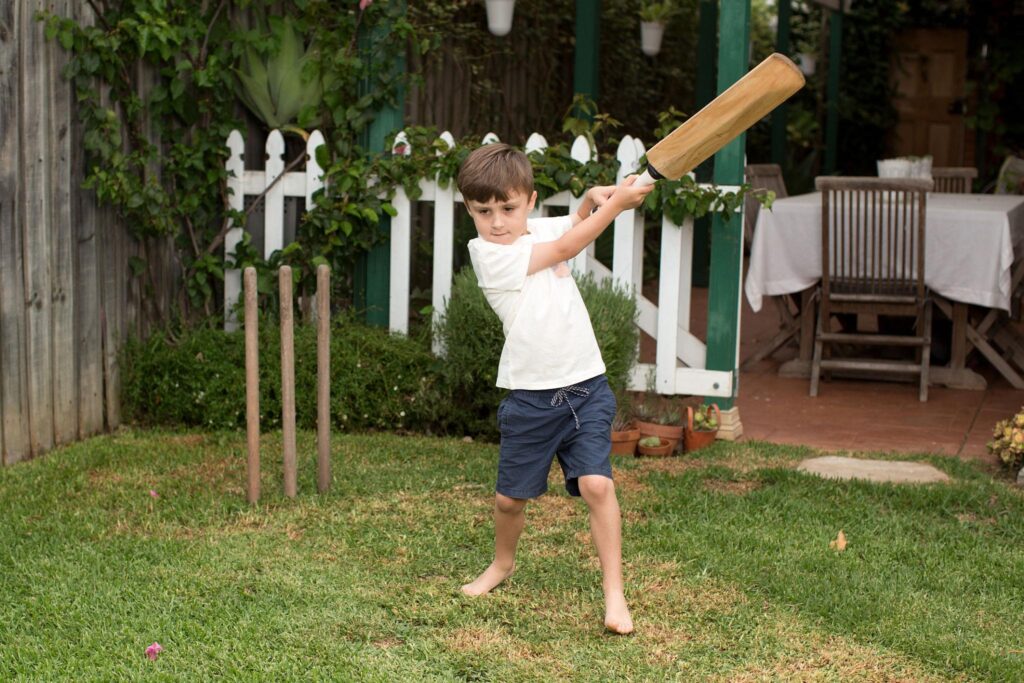
Essential Cricket Equipment for Home Practice
Before starting these drills, having the right equipment can make practice sessions safer and more productive.
For beginners, a lightweight junior cricket bat, soft training ball, and portable stumps are usually enough. Parents looking to create a more professional practice setup can also consider agility ladders, rebound nets, and training cones.
👉 Cricket Training Equipment for Kids.
1. Wall Catch Drill – The Best Cricket Reflex Training for Kids
One of the simplest yet most effective cricket drills is the wall catch exercise.
Stand a few meters away from a wall and throw a tennis ball against it repeatedly. The ball will return at different angles, forcing the player to react quickly.
Benefits of This Cricket Catching Drill
- Improves hand-eye coordination
- Enhances reaction speed
- Builds confidence while catching
Parents often use soft cricket balls for this drill because they are safer for younger children.
2. Shadow Batting Drill for Better Cricket Technique
Professional cricketers spend countless hours shadow batting.
Without using a ball, players practice their stance, backlift, footwork, and follow-through. This helps develop muscle memory and correct batting technique.
Why Shadow Batting is Important for Young Cricketers
Many young players focus only on hitting the ball. Shadow batting teaches proper body positioning and balance, which are essential for long-term success.
3. Tennis Ball Throwdown Drill
A tennis ball throwdown drill is excellent for improving shot timing.
Ask a parent or sibling to throw underarm deliveries while the child focuses on playing straight drives, defensive shots, and pull shots.
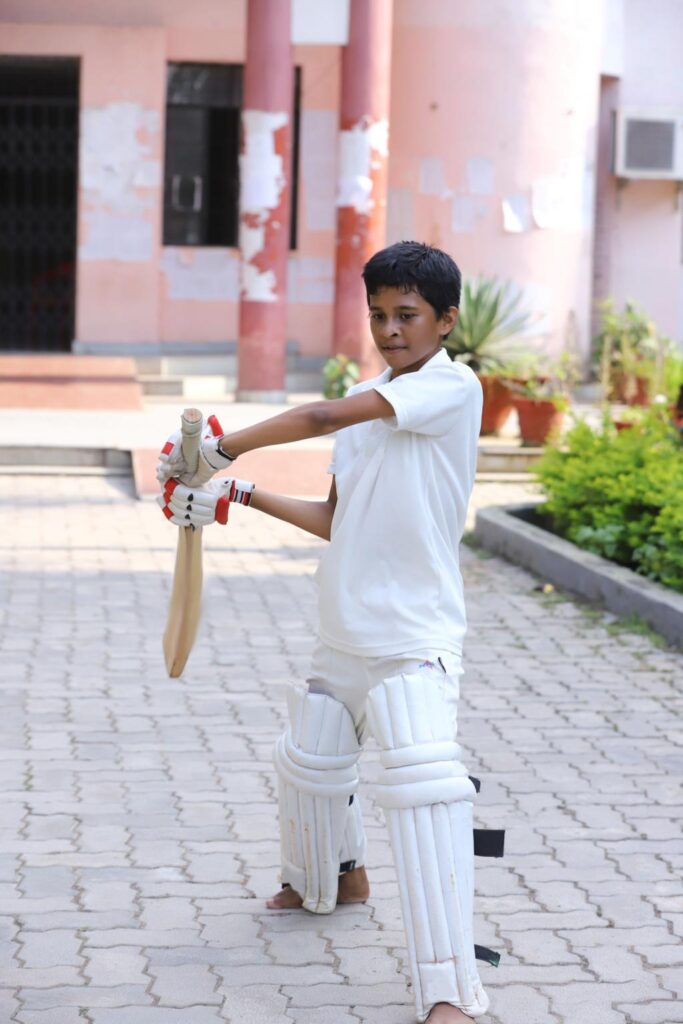
Benefits of This Cricket Batting Drill
- Better timing
- Improved shot selection
- Increased confidence against fast bowling
A quality cricket bat makes a significant difference during these practice sessions.
4. Target Bowling Drill for Accuracy
Speed is important, but accuracy wins matches.
Place a target mat, cone, or marker on a good-length area and try to hit it consistently.
How This Cricket Bowling Drill Helps
- Improves line and length
- Develops consistency
- Builds match awareness
5. Single Stump Fielding Drill
Many international matches are decided by direct-hit run-outs.
Place a single stump and practice hitting it from different distances.
Fielding Skills Developed
- Throwing accuracy
- Arm strength
- Quick release techniques
6. Agility Ladder Footwork Drill
Quick footwork is essential for batting and fielding.
An agility ladder helps kids improve movement, balance, and coordination.
Why Agility Training Matters in Cricket
Players with faster footwork can:
- Reach the ball quicker
- Play spin bowling better
- Field more effectively
👉 Agility Ladder for Cricket Training
7. High Catch Practice Drill
High catches require concentration and judgment.
Throw the ball high into the air and encourage the player to move under it while keeping their eyes fixed on the ball.
Benefits
- Better judgment
- Improved catching confidence
- Match-like fielding practice
8. Running Between Wickets Training
Many young players underestimate the importance of running between wickets.
Mark two crease points and practice sprinting between them while carrying a bat.
Benefits
- Faster running speed
- Better fitness
- Improved match awareness
9. Rebound Net Cricket Drill
A rebound net creates unpredictable returns that challenge reflexes.
This drill closely simulates match situations and is excellent for advanced players.
Why Rebound Nets Are Popular Among Coaches
They help players:
- Improve reflexes
- Practice independently
- Develop quick reactions
10. Cricket Fitness Circuit
Fitness plays a major role in modern cricket.
Create a simple circuit including:
- Jumping jacks
- Squats
- Shuttle runs
- Planks
- Push-ups
Benefits of Cricket Fitness Training
- Better endurance
- Stronger muscles
- Improved athletic performance
Weekly Cricket Practice Plan for Kids
A balanced training schedule is important.
| Day | Training Focus |
| Monday | Batting Practice |
| Tuesday | Bowling Accuracy |
| Wednesday | Fielding Skills |
| Thursday | Fitness Training |
| Friday | Batting & Bowling |
| Saturday | Match Simulation |
| Sunday | Recovery & Light Practice |
Following a structured schedule helps young cricketers improve consistently.
Final Thoughts
The best cricket players aren’t built overnight. Consistent practice, proper technique, and the right equipment make all the difference.
These Top 10 Cricket Training Drills for Kids (Ages 10+) at Home are designed to improve every aspect of a young cricketer’s game. With just 30–45 minutes of daily practice, kids can build strong cricket fundamentals and enjoy the sport even more.
For parents looking to support their child’s cricket journey, investing in quality training equipment such as cricket bats, soft balls, agility ladders, and rebound nets can make home practice sessions more engaging and effective.
.
 20
20
 620
620
 20
20
Hi, I’m Vivek Mishra, Founder of TheTechFace. I am a Civil Engineer and digital content creator with a B.Tech from SRM University (2013) and an MBA (2023). My passion for technology and blogging began during my college years, leading me to create several websites and online platforms.
With over a decade of experience in both engineering and blogging, I write about Technology, AI, Gadgets, Cricket, Civil Engineering, Business, SEO, and digital trends. Through TheTechFace, my goal is to share practical, informative, and easy-to-understand content that helps readers stay informed and make better decisions in a rapidly evolving digital world.